
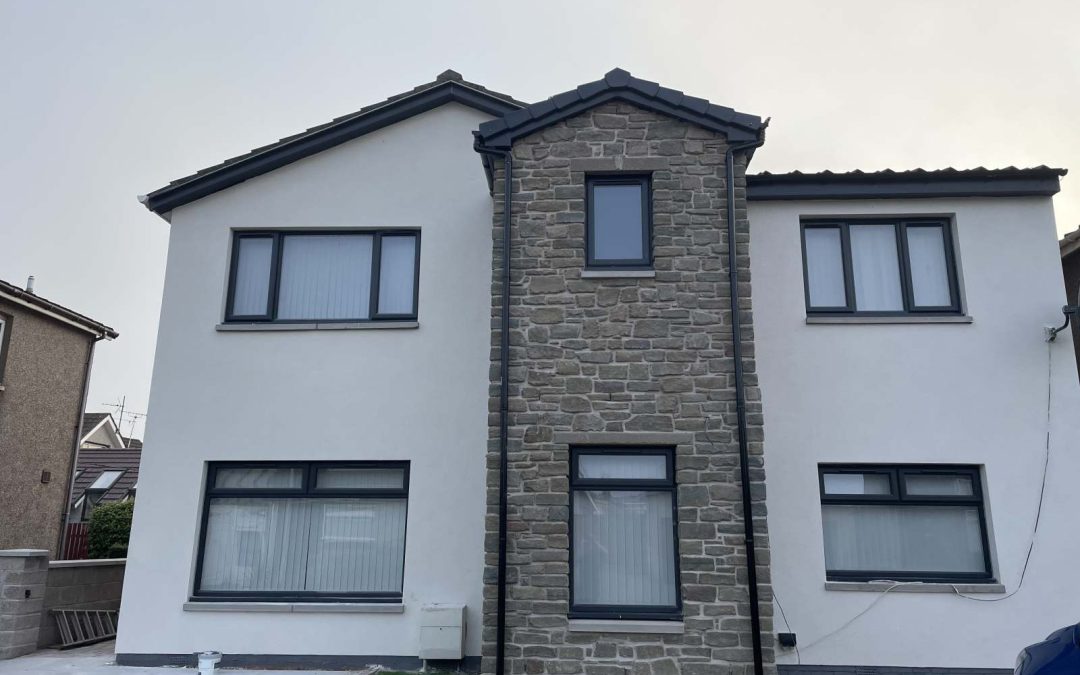
When most people think about a building project, they picture the finished result — a brand-new home, a smart extension, or a freshly laid driveway. But before any of that can happen, there’s a crucial stage that often goes unnoticed: the groundworks. At B & R Builders Arbroath, we’ve been delivering expert groundworks across Dundee and the surrounding areas for over 40 years, and we can tell you one thing with complete confidence — everything starts below ground.
In this guide, we’ll walk you through what groundworks actually involve, why they matter so much, and what to expect if you’re planning a construction project in Dundee.
What Are Groundworks?
Groundworks is the term used for all the preparatory work carried out on a site before any above-ground building can begin. Think of it as setting the stage — without a properly prepared site, even the best-built structure above ground won’t stand the test of time.
Groundworks typically include:
- Site clearance and excavation
- Laying foundations (strip, raft, pile, or pad)
- Drainage installation and management
- Concrete slab and sub-base preparation
- Utility connections (water, gas, electricity routes)
- Retaining walls and earthworks
- Hardcore and blinding layers for driveways and patios
As experienced builders in Dundee, B & R Builders Arbroath handle all of these stages professionally, so your project gets off to the right start.
Why Are Solid Foundations So Important?
It might sound obvious, but a building is only as strong as what it’s built upon. Poor groundworks lead to a whole range of serious problems down the line — problems that are expensive and stressful to fix. Here’s why getting the foundations right matters so much.
1. Structural Stability
A solid foundation distributes the weight of your building evenly across the ground. Without this, buildings can sink, shift, or crack over time. In Scotland, where we often deal with wet ground, clay soils, and frost during winter, this is especially important. The ground beneath Dundee can vary considerably, which is why professional groundworks teams carry out soil assessments before choosing the right type of foundation for your project.
2. Prevention of Subsidence
Subsidence — where the ground beneath a building moves or sinks — is one of the most costly issues a property owner can face. It can cause cracked walls, sticking doors and windows, and in serious cases, make a building unsafe. Properly engineered foundations and groundworks significantly reduce this risk, saving you a great deal of money and worry in the long run.
3. Effective Drainage
Water management is a critical part of any build. Without proper drainage installed during the groundworks phase, water can collect around and beneath your property. This leads to dampness, flooding, and damage to foundations over time. At B & R Builders Arbroath, we design and install drainage systems that keep water flowing away from your building efficiently — protecting your investment for decades to come.
4. Compliance with Building Regulations
In the UK, all construction work must comply with Building Regulations, and foundations are no exception. These regulations exist to ensure that buildings are structurally safe and fit for purpose. Our team of expert builders in Dundee ensures that all groundworks meet the required standards, giving you complete peace of mind that your project is fully compliant.
Types of Foundations Explained
Not all foundations are the same. The type used on your project will depend on the ground conditions, the size of the structure, and what the building will be used for. Here’s a simple breakdown:
Strip Foundations
The most commonly used foundation type for domestic housing in the UK. Strips of concrete are laid beneath load-bearing walls to spread the weight of the building. They’re reliable, cost-effective, and well-suited to most residential projects in Dundee.
Raft Foundations
A raft (or slab) foundation is a large concrete slab that covers the full footprint of the building. It’s ideal for sites with weak or variable ground, as it spreads the load across a wider area and helps prevent uneven settling.
Pile Foundations
Used where the ground near the surface is too weak to support the building. Piles are driven deep into the earth to reach more stable ground below. This method is common for larger commercial builds or sites with particularly difficult ground conditions.
Pad Foundations
Individual concrete pads placed beneath columns or posts. Often used for outbuildings, garages, or structures with a steel or timber frame.
Our team at B & R Builders Arbroath will always assess your site carefully and recommend the most suitable foundation type — ensuring a safe, long-lasting result.
The Groundworks Process: What to Expect
If you’ve never been involved in a construction project before, the groundworks phase can seem a bit daunting. Here’s a step-by-step overview of how we approach it at B & R Builders Arbroath.
Step 1: Site Survey & Assessment
Before any digging begins, we carry out a thorough assessment of your site. This includes checking soil type, ground stability, water table levels, and any existing services (pipes, cables, etc.) buried underground. This stage helps us plan the groundworks accurately and avoid any unexpected surprises.
Step 2: Site Clearance & Excavation
Once we have a clear plan in place, we clear the site of any vegetation, topsoil, or debris. We then excavate to the required depth, which varies depending on the foundation type and the size of your build.
Step 3: Drainage Installation
Drainage is installed early in the process, before any concrete is poured. We lay the necessary pipework and gullies to ensure proper water management both during and after construction. Getting this right at the start saves a great deal of hassle further down the line.
Step 4: Sub-Base & Blinding Layers
A layer of hardcore (crushed stone or gravel) is compacted into the excavated area to create a firm, level sub-base. A thin layer of blinding concrete is then applied to seal the surface and provide a clean working platform.
Step 5: Foundation Construction
With the sub-base in place, we construct the foundations according to the agreed design. This might involve pouring concrete strip foundations, laying a raft slab, or installing piles — whichever is most appropriate for your project.
Step 6: Inspection & Sign-Off
Before work above ground can begin, the foundations are inspected to ensure they meet Building Regulations. Our experienced team ensures everything is done correctly the first time, so inspections go smoothly without delays.
Groundworks for Driveways and Patios
Groundworks aren’t just for large building projects. Even smaller jobs like driveways, patios, and garden paths require proper preparation to ensure they stay level, drain correctly, and don’t crack or sink over time.
At B & R Builders Arbroath, we prepare all surface areas thoroughly — excavating to the correct depth, compacting the sub-base, and installing any necessary drainage — before laying your chosen surface finish. The result is a driveway or patio that looks great and lasts for years.
This level of preparation is something that sets professional builders in Dundee apart from less experienced traders. Cutting corners at the groundworks stage is one of the main reasons patios crack and driveways develop dips and puddles within a couple of years.
Common Groundworks Mistakes to Avoid
Whether you’re overseeing a project yourself or hiring a contractor, it’s worth knowing the most common pitfalls in groundworks:
- Skipping the soil survey — guessing at ground conditions instead of assessing them properly can lead to the wrong foundation choice.
- Inadequate excavation depth — foundations that aren’t deep enough are vulnerable to frost heave and ground movement.
- Poor drainage planning — water has to go somewhere; without a proper drainage strategy, it will find its way where you don’t want it.
- Using unqualified labour — groundworks require skill and knowledge; errors are costly and difficult to correct once concrete is poured.
- Ignoring Building Regulations — non-compliant work can cause serious problems when selling your property and may require expensive remedial work.
Working with an experienced team of builders in Dundee — like B & R Builders Arbroath — means these mistakes simply don’t happen. We’ve seen the consequences of poor groundworks on other people’s projects, and we make sure our clients never have to deal with them.
Why Choose B & R Builders Arbroath for Groundworks in Dundee?
There are plenty of building contractors operating in the Dundee area, so why choose B & R Builders Arbroath? Here’s what sets us apart:
Over 40 Years of Experience
We’ve been carrying out groundworks and construction projects across Dundee and Angus for decades. That experience means we know the local ground conditions, the common challenges, and how to handle them effectively.
Fully Licensed & Insured
All our work complies with UK Building Regulations, and we carry full public liability insurance. You can trust that your project is in safe hands.
Honest, Transparent Pricing
We offer free, no-obligation quotes on all projects. No hidden costs, no nasty surprises — just clear, fair pricing from the start.
End-to-End Service
From groundworks and foundations through to the finished build, we manage every stage of your project. This means better coordination, fewer delays, and a smoother experience for you.
Local Reputation
We’ve built strong relationships with clients across Dundee, Arbroath, and the surrounding areas. Our reputation is built on quality workmanship and reliable service — and we work hard to maintain it on every job.
Final Thoughts
Groundworks might not be the most glamorous part of any building project, but they are without doubt the most important. Get them right, and everything that follows will be built on a solid, reliable base. Get them wrong, and you could be facing serious problems for years to come.
At B & R Builders Arbroath, we take groundworks seriously — because we understand that the strength of a building starts long before the first brick is laid. As trusted builders in Dundee, we’re committed to delivering groundworks that are done properly, first time, every time.
Frequently Asked Questions About Groundworks
How long do groundworks take?
The duration depends on the size and complexity of the project. A straightforward residential foundation might take a few days, while larger commercial groundworks could take several weeks. We provide a detailed timeline before any work begins.
Do I need planning permission for groundworks?
In most cases, groundworks themselves don’t require separate planning permission — but the overall building project might. We can advise you on what’s needed and help ensure all required approvals are in place before work starts.
Can groundworks be carried out in winter?
Yes, though frost and very wet conditions can sometimes cause short delays. Our team plans around the weather where possible and takes precautions to protect newly laid concrete from frost.
What if unexpected problems are found underground?
It does happen — buried pipes, unexpected rock, or poor ground conditions can sometimes emerge during excavation. When this happens, we discuss the situation with you clearly, explain the options, and agree on the best way forward before continuing.
How much do groundworks cost in Dundee?
Costs vary significantly depending on the scale of the project, ground conditions, and the type of foundation required. The best way to get an accurate figure is to contact us for a free site visit and quote.